
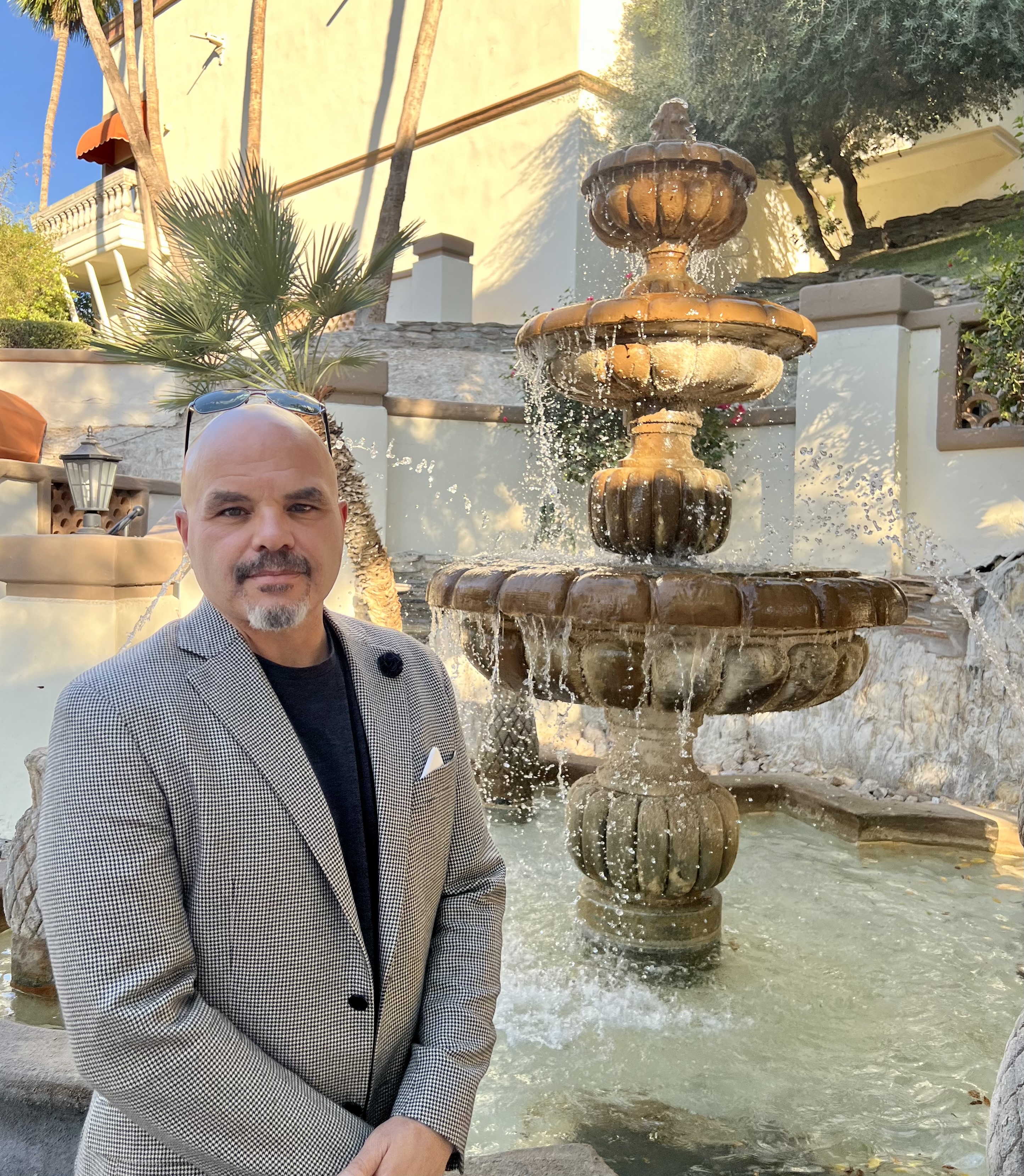
Brian Schwelling TelicX CEO
The founder of the company behind A.D.A.M. describes the architecture that makes AI trustworthy in data-heavy biz and why it applies well beyond the car biz.
— Brian Schwelling, CEO TelicX
PHOENIX, AZ, UNITED STATES, October 20, 2026 /EINPresswire.com/ -- TelicX, developer of A.D.A.M. (Adaptive Dealer Advisory Mind), an AI advisor that reads a franchised dealership's own numbers and coaches the people who run the store, today published a framework from its founder and Chief Executive Officer, Brian Schwelling, on where large language models earn their place in a business and where they do not.
The framework comes from a year and a half of building A.D.A.M. inside live dealerships, where the data is heavy, the feeds disagree, and a wrong number on a manager's screen costs real money. Its conclusion is that the models are excellent at one set of jobs, unreliable at another, and that most of the work in building a trustworthy tool is keeping the two apart.
What the models do well
Language models are strong readers, writers and explainers. Given a set of verified facts, a model can find the story in them, state it plainly, and adjust it for the person reading, a general manager in one moment and a salesperson on the floor in the next. It can interpret a policy, ask the right follow-up question, and remember what an operator said last week.
"That is real value, and it is why we build with these models every day," Schwelling said. "A manager will finish a coaching conversation she would never finish as a report. The model turns checked numbers into something a person acts on."
What they do not do well
Two weaknesses matter most. The first is arithmetic. A language model predicts language; it does not add. Asked for a total across
forty transactions, it can return a confident figure that is wrong, and a different confident figure the next day.
"A language model is a brilliant writer and a terrible accountant," Schwelling said. "Every number has to be computed in code, from the rows, before the model sees it. The model explains what the code found. It never finds it. If a tool cannot show where a number came from, it is not a tool. It is an expensive opinion."
The second weakness is noticing when data sources disagree. A dealership's management system and its inventory system routinely report different sales counts for the same month, and a model handed either one will describe it fluently. Deciding which source is the truth, and showing the other figure beside it, has to happen in code first.
Why customer data stays out
The framework treats customer information as a firm boundary. Names, phone numbers and addresses never go to a language model. Once personal information enters a prompt, the business no longer fully controls where it is processed, logged or retained, and privacy law, especially in California, increasingly governs how it is handled. A.D.A.M. does its work with stock numbers, deal numbers, repair order numbers and vehicle identification numbers instead.
"Keeping the math and the customer out of the model is not a limitation," Schwelling said. "It is what makes everything else trustworthy. And the person still decides. The tool proposes. It never sets a price or sends a message on its own."
The same architecture, other industries
Schwelling describes the framework as industry-neutral, because its pattern, heavy operational data, several systems that disagree, a ledger that must be exact and customers whose privacy must be protected, is common across asset-intensive and service businesses. In rental car operations, fleet utilization, damage recovery and rate decisions are calculations that belong in code, while renters' license and contact details stay out of any model.
In residential solar, savings estimates and financing terms are math a model should never improvise, and homeowner records are personal data. Manufactured housing retailers carry aging inventory, floor-plan cost and installment financing, the same aging and margin questions a car lot faces. Career placement services hold some of the most sensitive personal data of all, candidate histories and compensation, alongside placement fees and pipeline math.
"Put the models to work on what they are brilliant at, explaining, coaching and asking the next question," Schwelling said. "Keep the arithmetic in code and the customer out of the prompt. That approach holds in a rental car branch, a solar office or a placement firm just as it does on a dealership lot."
The full framework is on Schwelling's LinkedIn profile. More on A.D.A.M. is at telicx.com/product.
About TelicX
TelicX is the developer of A.D.A.M. (Adaptive Dealer Advisory Mind), an AI advisory platform built for franchised automotive dealerships. A.D.A.M. reads the data a dealership already produces across sales, service, parts, inventory, CRM and F&I, and turns it into coaching for the people who run the store. Numbers are computed in code, customer identity never reaches the AI, and every rooftop's data is isolated. Learn more at telicx.com.
Brian Schwelling
TelicX
+1 404-227-5138
Visit us on social media:
LinkedIn
Legal Disclaimer:
EIN Presswire provides this news content "as is" without warranty of any kind. We do not accept any responsibility or liability for the accuracy, content, images, videos, licenses, completeness, legality, or reliability of the information contained in this article. If you have any complaints or copyright issues related to this article, kindly contact the author above.

Source link
Discover more from Autojunction
Subscribe to get the latest posts sent to your email.