
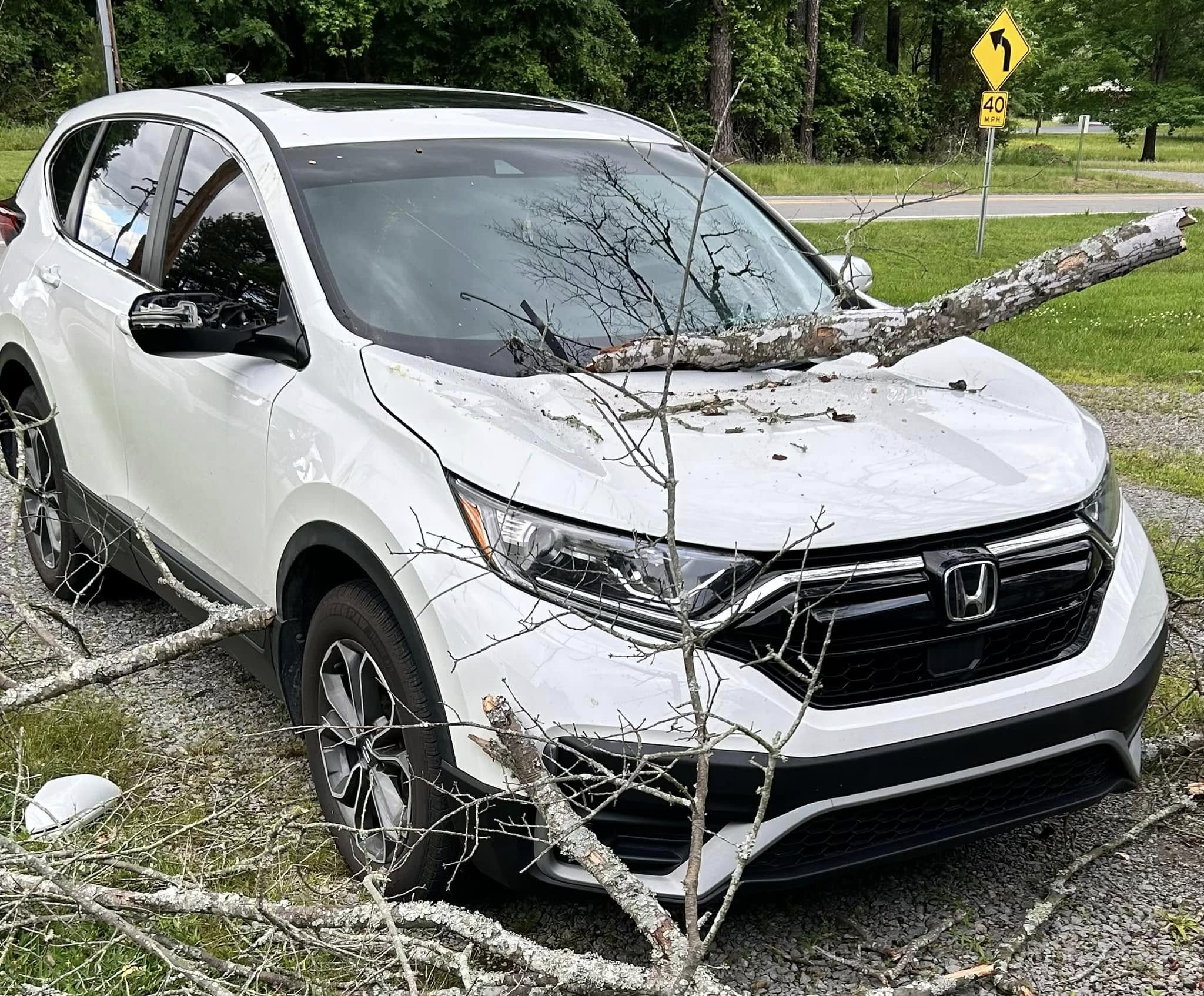
A fallen tree limb damaged the hood, windshield, and side mirror of this Honda CR-V before it was repaired at SQR One Coll1sion in Cabot, Arkansas.
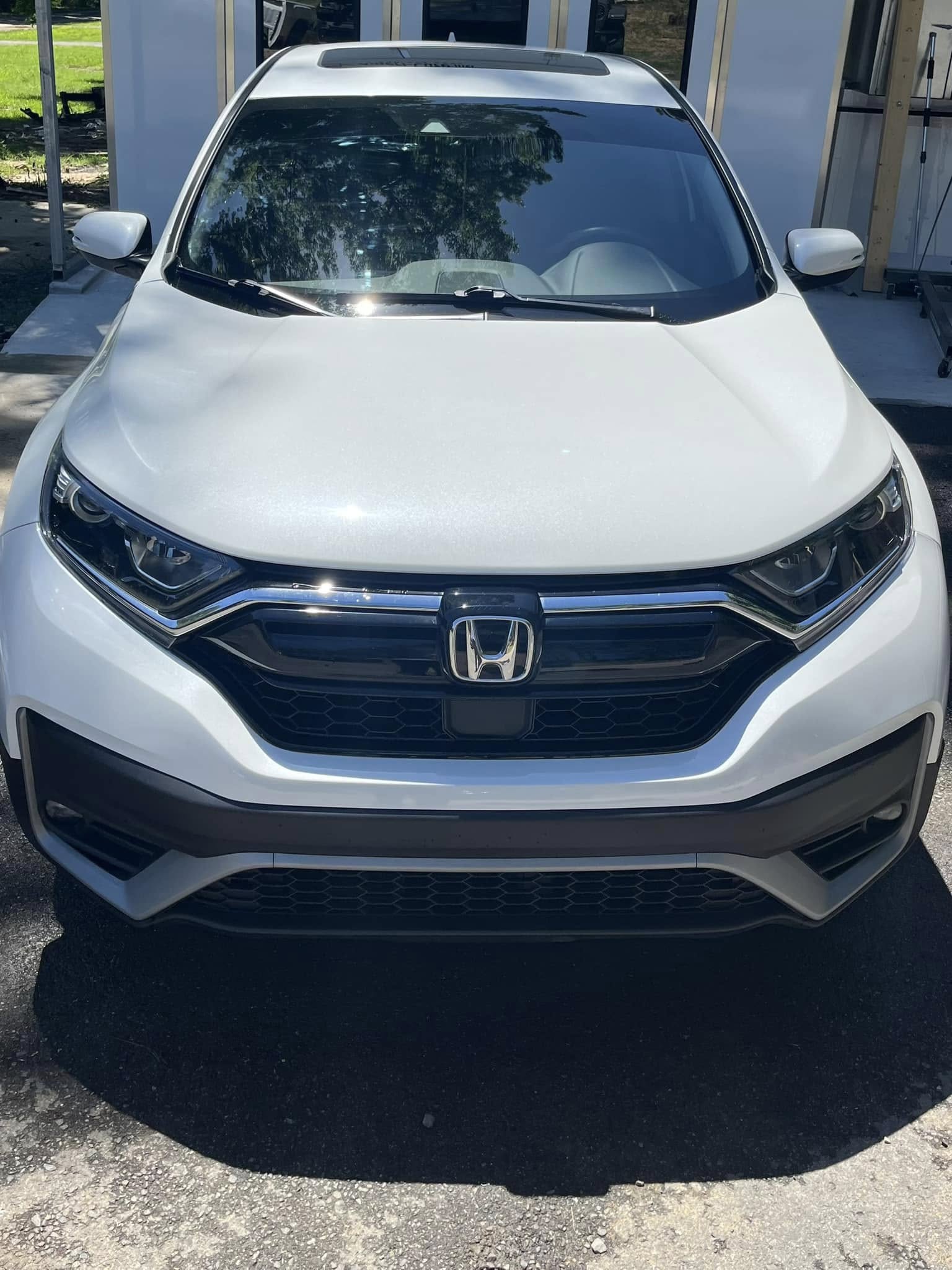
The same Honda CR-V after SQR One Coll1sion repaired its hood, windshield, and front-end damage caused by a fallen tree limb.
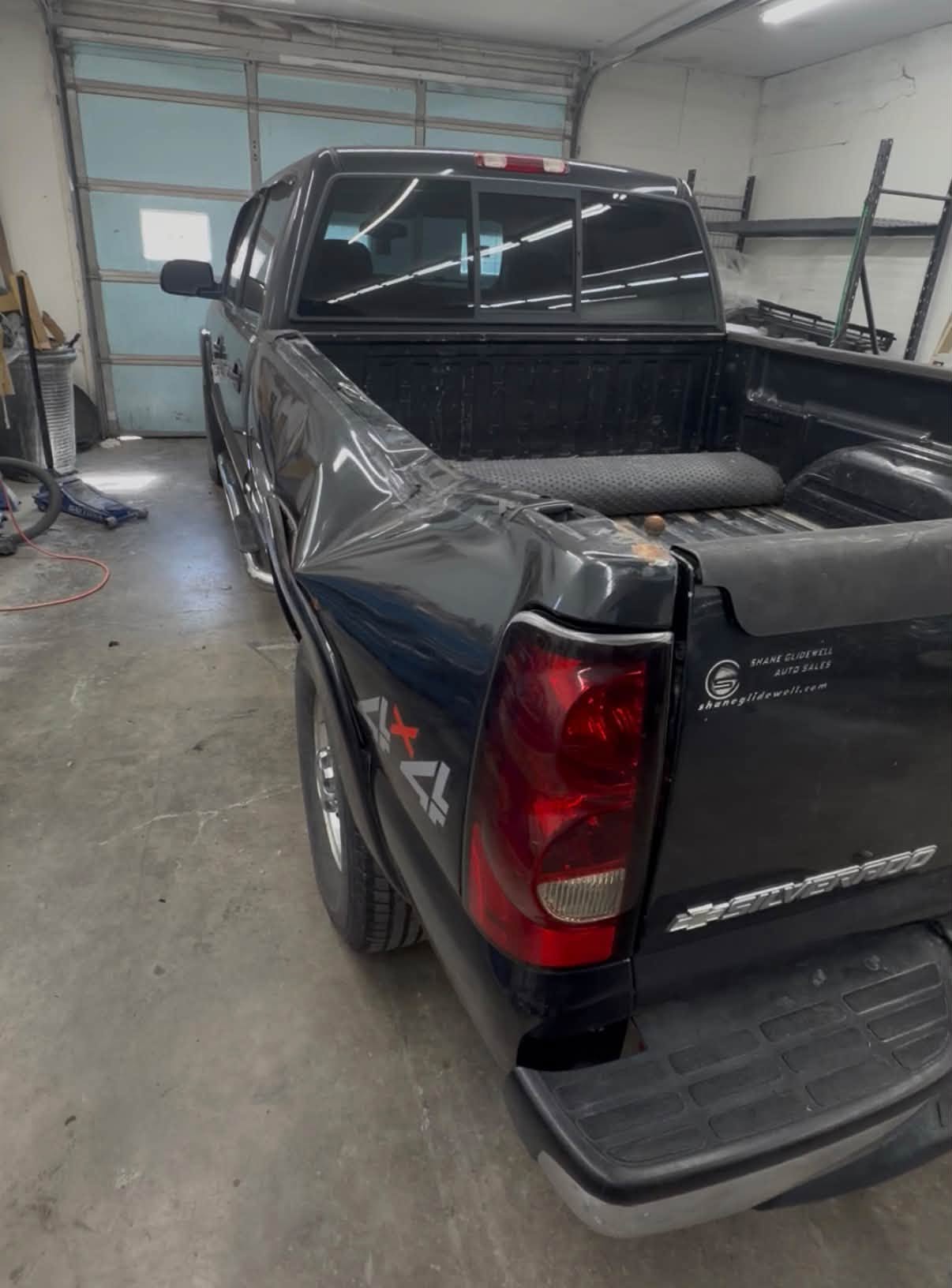
A Chevrolet Silverado with collision damage to the rear bed side and corner, photographed in the SQR One Coll1sion shop in Cabot, Arkansas.
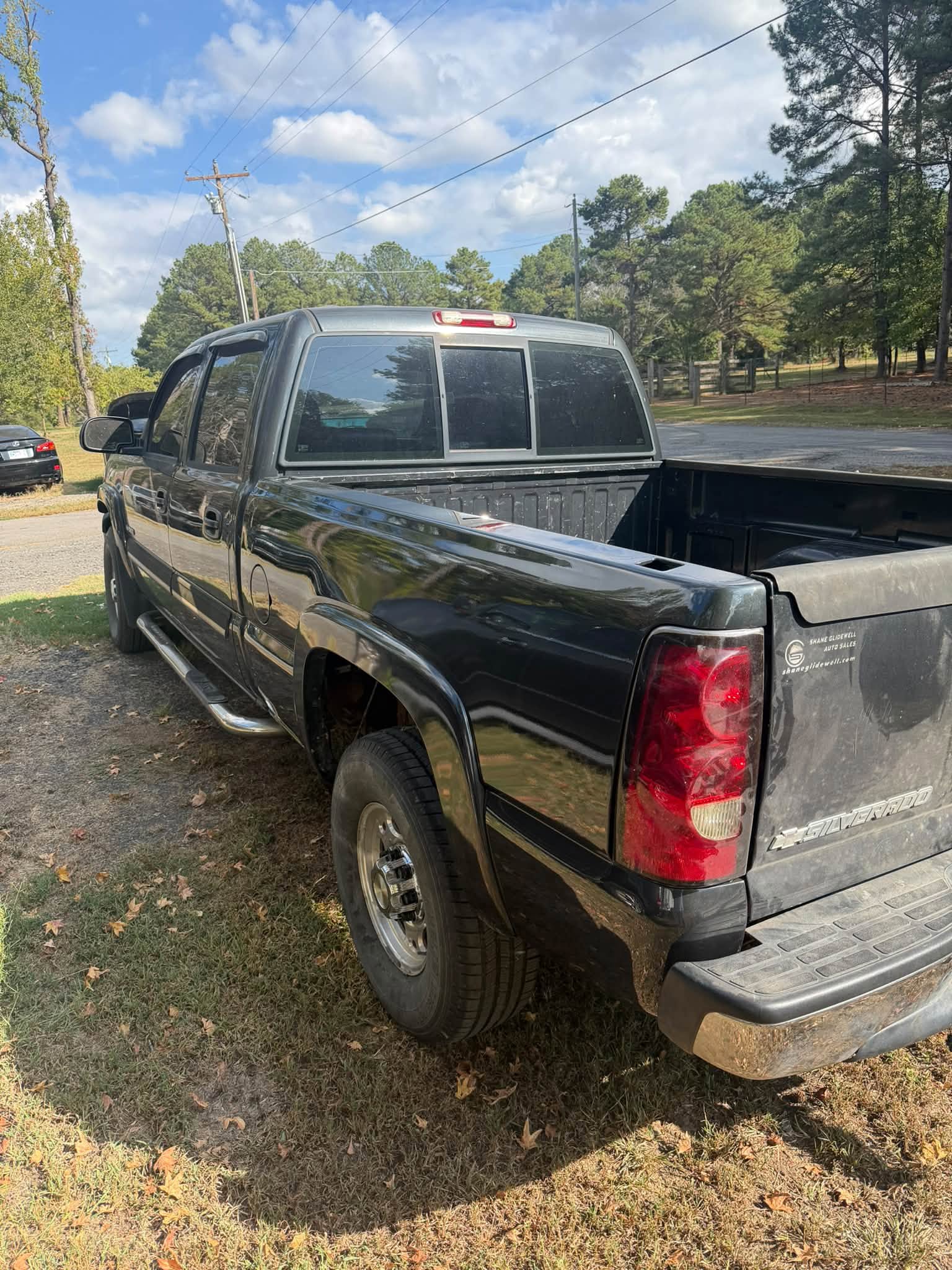
The same Chevrolet Silverado after SQR One Coll1sion completed body and paint repairs to the rear bed side.
SQR One Coll1sion is a family-owned auto body and collision repair shop at 170 Taylor Ln in Cabot, Arkansas.
Cabot, Ark., body shop outlines repair shop choice, hidden damage, OEM parts and ADAS checks as fall deer-collision season peaks.
— Joe Ruff, Owner SQR One Coll1sion
The shop, also known as SQ1 Collision and commonly searched as Square One Collision, operates at 170 Taylor Ln in Cabot and repairs vehicles for drivers in Cabot, Ward, Austin, Furlow, Beebe, Jacksonville, Sherwood, Vilonia, and other communities across Lonoke and Faulkner counties. Its services include collision repair, dent repair, hail and storm damage restoration, auto body paint and factory finish matching, scratch and chip repair, glass replacement, and insurance claim assistance for both insured and self-pay customers.
SQR One Coll1sion works directly with insurance adjusters as part of its claim assistance service, and many of the questions drivers raise after an accident are the same: who decides where the vehicle is repaired, why the first estimate was lower than the final bill, and whether the replacement parts will match what came from the factory. The guidance below addresses those questions in plain terms. It is general consumer information and not legal advice; drivers with specific coverage or liability questions should review their policy and consult their insurer, the Arkansas Insurance Department, or an attorney.
Peak Season for Deer Collisions Raises the Stakes
Deer-related crashes are a recurring fall concern in Arkansas. Research on Arkansas State Police accident reports conducted at the University of Arkansas at Monticello found that more than half of reported deer-vehicle collisions occurred between October and December, with the highest number in November. A State Farm analysis reported in December 2025 estimated that an Arkansas driver has roughly a 1-in-95 chance of hitting a deer in a given year, ranking the state 16th nationally.
Arkansas Game and Fish Commission officials have noted that deer move most around dawn and dusk, which in late fall overlaps with the morning and evening commute. For drivers on the two-lane highways and rural roads around Cabot, Austin, and Ward, that timing can turn an ordinary drive into an insurance claim.
Deer strikes are a useful example of why post-accident decisions matter. A collision that appears to have done little more than crack a bumper cover or break a grille can also damage the radiator, air-conditioning condenser, headlamp mounts, hood latch support, and radar sensors that are typically mounted behind the front fascia. Those components are not visible from the outside, and the driver may not learn about them until the vehicle is disassembled.
Drivers Have the Right to Choose Their Repair Shop
Arkansas law gives drivers the right to decide where their vehicle is repaired. Under the Trade Practices Act in the State Insurance Code, Arkansas Code 23-66-206(13) lists requiring repairs to be made by a particular contractor, supplier, or repair shop as a condition of paying a claim among the unfair claims settlement practices that insurers may not engage in. Arkansas Insurance Department Rule 43 states that insurers may not require a claimant to have a vehicle repaired at a specific shop as a condition of recovery, and may not require a claimant to travel an unreasonable distance to obtain an estimate or have repairs performed.
In a June 2021 consumer alert, Arkansas Insurance Commissioner Alan McClain reminded residents that insurers cannot make coverage contingent on the use of a particular preferred vendor and that insurers that do so may face penalties.
Many insurers maintain direct repair or preferred shop programs, and recommending a shop is not the same as requiring one. A driver may choose an insurer-recommended facility, but is not obligated to. SQR One Coll1sion advises drivers to ask the adjuster directly whether a recommended shop is a requirement or a suggestion, to get that answer in writing when possible, and to tell the insurer which shop they have selected. The same right applies whether the driver files a claim with their own insurer or with the at-fault driver’s insurer.
“A lot of people think they have to take their car wherever the insurance company tells them, and in Arkansas that isn’t the case,” said Joe Ruff, owner of SQR One Coll1sion. “We want drivers to understand that the choice is theirs, and to pick a shop they trust to find all of the damage and fix it the right way, whether that’s us or someone else.”
Why Hidden Damage Is Common After Minor Accidents
Modern vehicles are designed to absorb and redirect crash energy. Bumper covers are often made of flexible plastic that can rebound to its original shape after an impact while the energy absorbers, reinforcement bars, brackets, and mounting points behind it are crushed, cracked, or bent. Unibody vehicles can also transfer force into structural rails and aprons that are hidden beneath body panels.
Because of that design, a visual inspection in a parking lot or from photographs taken through a mobile app may capture only the outer layer of damage. Collision repair technicians typically remove the damaged panels during disassembly, sometimes called a teardown, to inspect inner components, measure the structure when necessary, and identify parts that were not visible during the first inspection.
Drivers should be cautious about declining repairs on a vehicle that looks only cosmetically damaged. Broken clips, misaligned mounts, and damaged sensors can affect panel fit, wind and water sealing, cooling system performance, and the operation of safety equipment.
Insurance Estimates and Supplements
An initial insurance estimate is generally written from what an appraiser can see before the vehicle is taken apart. When a repair facility finds additional damage during disassembly, it documents the findings, often with photographs and a revised parts and labor list, and submits a supplement request to the insurer for approval.
Supplements are a routine part of the collision repair process and do not necessarily indicate that the original estimate was done incorrectly or that a shop is overcharging. They reflect information that was not available at the first inspection. They can, however, extend repair timelines while parts are ordered and approvals are obtained.
SQR One Coll1sion recommends that drivers keep copies of every estimate and supplement, ask the shop to explain any change in the scope of repairs, and confirm with the insurer how payment will be handled when the final repair cost differs from the original estimate. The shop provides insurance claim assistance and communicates with adjusters on behalf of its customers throughout the process.
OEM Versus Aftermarket Replacement Parts
Replacement parts used in collision repair generally fall into a few categories. Original equipment manufacturer (OEM) parts are made by or for the vehicle’s manufacturer. Aftermarket parts are produced by other companies and are designed to fit the vehicle; some are certified by independent testing organizations. Used or recycled OEM parts are removed from other vehicles.
Which parts an insurer will pay for is often determined by the language of the driver’s policy, and many policies permit non-OEM or used parts. In addition, Arkansas law has required that when a vehicle is still under the manufacturer’s original warranty, only OEM replacement crash parts be used unless the owner gives written consent otherwise. Drivers repairing a newer vehicle should ask which parts appear on the estimate and whether their consent is being requested.
SQR One Coll1sion uses both OEM parts and crash-certified aftermarket parts depending on the customer’s preference, insurance coverage, and budget. The shop advises drivers to review the parts listed on their estimate line by line, ask how any non-OEM part compares in fit and finish, and find out whether choosing OEM parts would involve paying a price difference under their policy. Drivers should also ask whether the vehicle manufacturer’s repair procedures call for specific parts or methods for the repair being performed.
Cameras, Radar, and Advanced Driver-Assistance Systems
Many late-model vehicles rely on cameras, radar, and ultrasonic sensors for advanced driver-assistance systems (ADAS) such as automatic emergency braking, adaptive cruise control, lane-keeping assistance, blind-spot monitoring, and parking sensors. These components are commonly located in the windshield, grille, front and rear bumpers, side mirrors, and quarter panels, which are the same areas frequently damaged in collisions.
Even a small change in a sensor’s mounting angle can affect how accurately the system detects objects. For that reason, many automakers specify in their repair procedures that certain sensors be inspected and recalibrated after a collision, after a windshield replacement, or after a bumper or mounting bracket is removed or replaced. Pre-repair and post-repair diagnostic scans are also used to identify stored fault codes that may not trigger a warning light on the dashboard.
Drivers should ask whether their vehicle is equipped with ADAS features, whether calibration is required under the manufacturer’s procedures for the repairs being made, and how the calibration will be documented. A deer strike that damages a front bumper, for example, may involve a radar sensor that controls the vehicle’s automatic emergency braking.
Diminished Value After an Accident
A vehicle with an accident history may sell or trade for less than a comparable vehicle without one, even when it has been properly repaired. This difference is commonly called diminished value.
Whether a driver can recover diminished value depends on state law, fault, and policy terms. In Arkansas, as in most states, a driver whose vehicle was damaged by an at-fault driver may generally pursue a diminished value claim against that driver’s liability insurer as a third-party claim. Claims under a driver’s own collision coverage are typically governed by the policy language, and many policies do not cover diminished value. Time limits also apply to property damage claims.
SQR One Coll1sion encourages drivers who believe their vehicle has lost value because of an accident they did not cause to keep thorough repair records, including estimates, supplements, photographs, and invoices, and to consult their insurer or an attorney about whether a diminished value claim is available in their situation. Complete documentation of a quality repair can also be useful when the vehicle is eventually sold.
Choosing a Qualified Collision Repair Facility
Because drivers in Arkansas can choose where their vehicle is repaired, SQR One Coll1sion recommends evaluating a shop on several practical points before authorizing work.
Drivers should ask about technician training and certifications, such as I-CAR training, and whether the shop follows the vehicle manufacturer’s published repair procedures. They should ask how the shop documents damage and repairs, including photographs, supplements, and pre- and post-repair scans, and whether those records will be provided at the end of the job. They should also ask what written warranty applies to workmanship and paint, how often they will receive updates, and what timeline to expect.
According to the company, its technicians hold I-CAR certification, and most vehicles are ready for pickup within one to two weeks of drop-off, depending on the extent of the damage and parts availability. The shop keeps customers updated throughout the repair process and can help arrange a rental vehicle when needed.
What Drivers Should Do After a Collision
When a crash occurs, the first priority is safety. Drivers should move to a safe location when possible, call 911 if anyone is injured, and contact law enforcement to report the accident. After a deer strike, drivers should avoid approaching an injured animal. Arkansas allows drivers to keep a deer killed in a collision only after notifying wildlife authorities.
Once everyone is safe, drivers should photograph the vehicles and the scene, exchange insurance information with any other driver involved, and notify their insurer promptly. Before authorizing repairs, drivers should select the repair facility they trust, review the estimate with that shop, ask about hidden damage, parts, and safety system calibration, and keep copies of all documents related to the claim.
About SQR One Coll1sion
SQR One Coll1sion, also known as SQ1 Collision, is a family-owned auto body and collision repair shop located at 170 Taylor Ln in Cabot, Arkansas. The company provides collision repair, dent repair, hail and storm damage repair, auto body paint and color matching, scratch and chip repair, glass replacement, parts replacement, light suspension services, tire mounting and balancing, and insurance claim assistance for vehicles of all makes and models. SQR One Coll1sion works with major insurance providers and also serves self-pay customers. The shop serves drivers in Cabot, Ward, Austin, Furlow, Beebe, Jacksonville, Sherwood, Vilonia, and surrounding Central Arkansas communities. For more information, call (501) 286-7968 or visit https://sqronecoll1sion.com/.
Joe Ruff
SQR One Coll1sion
+1 501-286-7968
taylorruff.sqrone@gmail.com
Visit us on social media:
Facebook
YouTube
Dodge Challenger repaint in Cabot Arkansas
Legal Disclaimer:
EIN Presswire provides this news content "as is" without warranty of any kind. We do not accept any responsibility or liability for the accuracy, content, images, videos, licenses, completeness, legality, or reliability of the information contained in this article. If you have any complaints or copyright issues related to this article, kindly contact the author above.

Source link
Discover more from Autojunction
Subscribe to get the latest posts sent to your email.